The day before Christmas Eve 2024, to pass some time last night, I watched Stormbreaker (again), the film adaptation of the first book in the Alex Rider series. Though it was released back in 2006, it completely escaped my radar until I was 19. It only caught my attention because that’s when I started reading Alex Rider. Despite being well past the target age for young-adult fiction, I’ve been quite fond of the series ever since my undergraduate days. I suspect Alex Rider will pop up often in my writing. For now, though, I want to focus on the gadgets featured in this 2006 adaptation.
Last night, watching the gadgets that Smithers gave Alex, I couldn’t help but be amused. Standing in 2024, those so-called “high-tech” devices now feel charmingly vintage rather than futuristic.
The most striking example was Alex’s microcomputer, used for communication while infiltrating Sayle Enterprises. It looked like something Nokia might have made, with a basic colour screen framed by a sea of chunky plastic buttons. Back in the early 2000s, it seems plausible that engineers and futurists imagined future phones would pack even more buttons than the latest models of the time. Yet, who could have foreseen that Apple would soon revolutionise the industry with a phone sporting only one front button—and eventually, none at all?
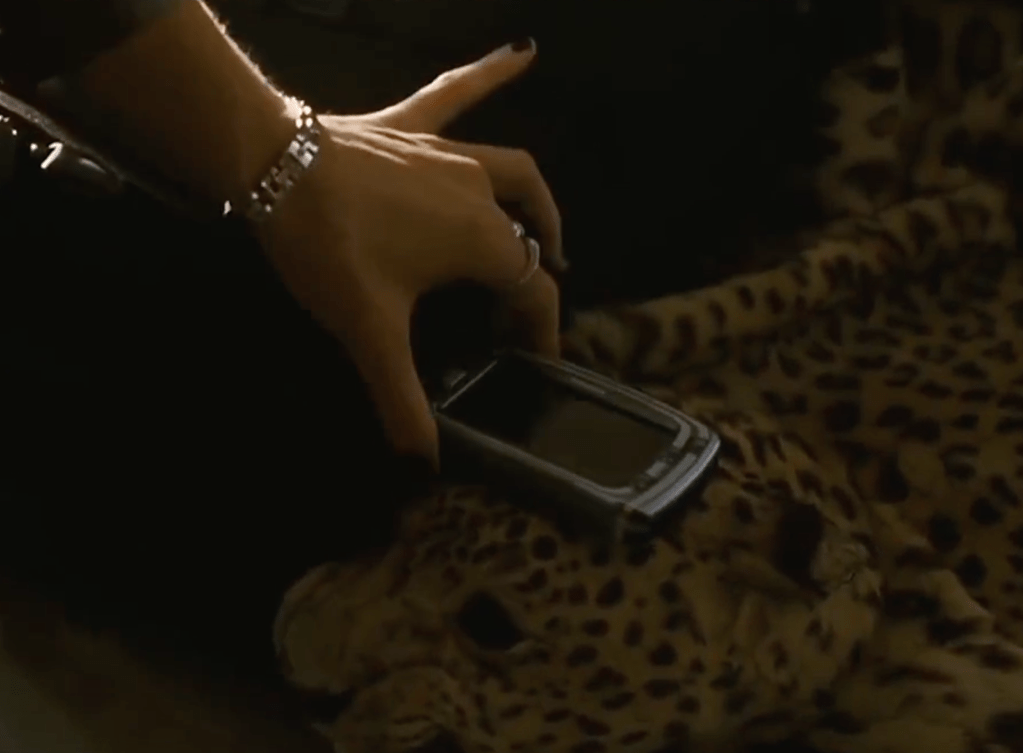
This is why I often approach predictions about future technologies from so-called “experts” with a healthy dose of scepticism. Technological progress tends to be anything but linear—it rarely follows a predictable path. For instance, rather than expecting a jet engine capable of propelling an aeroplane at 4,000 miles per hour (6,437.37 km/h), it seems far more plausible that the next breakthrough will involve something fundamentally different. Why not an engine powered by gravity itself? After all, history has shown that the most revolutionary innovations often come from thinking beyond the conventional.
 Unseen Variables
Leave a comment